

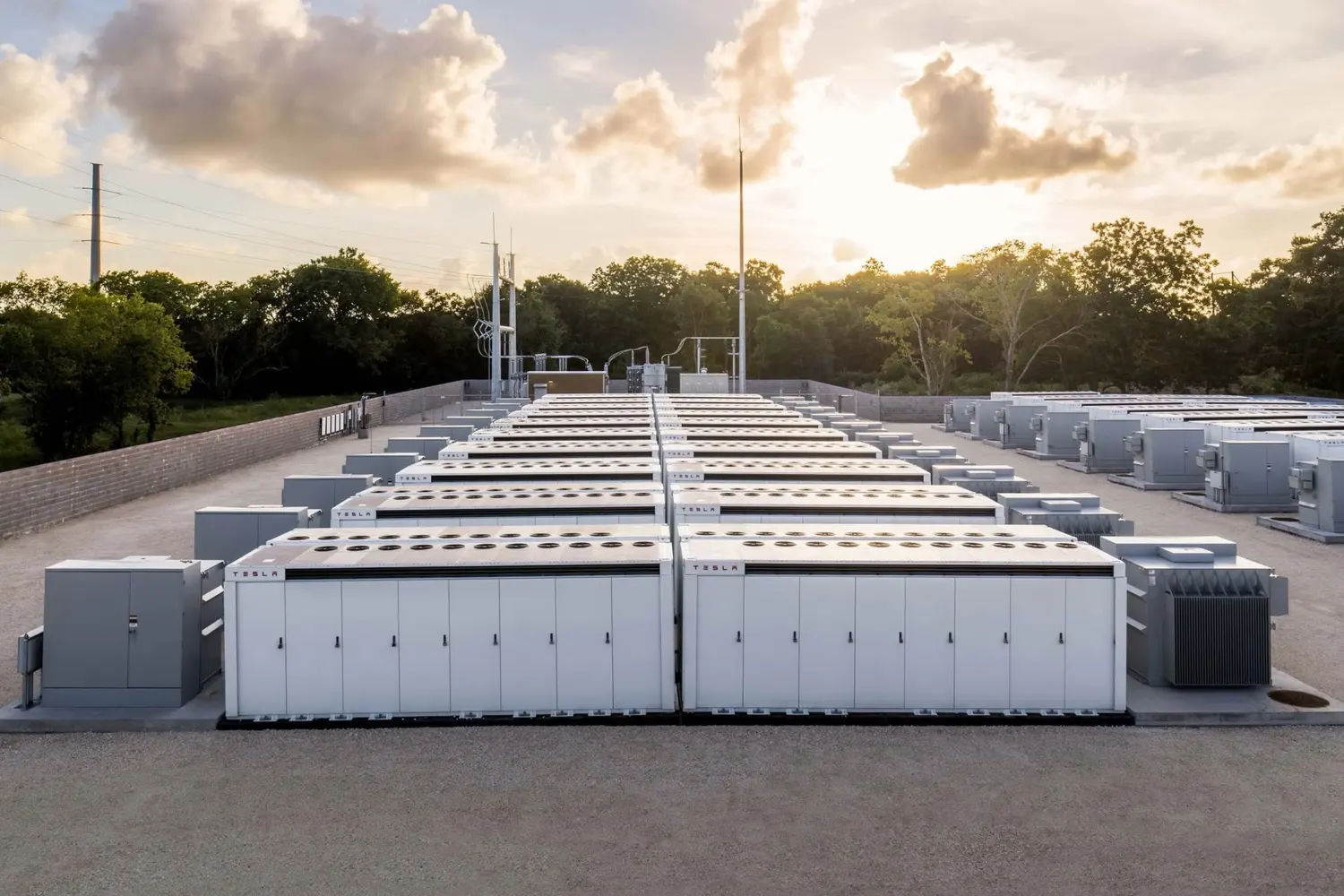
The transition to a low-carbon energy system depends not only on generating electricity from renewable sources but also on the capacity to store that energy efficiently and release it when demand peaks. Solar and wind power are inherently variable, producing energy when the sun shines or the wind blows, which does not always align with consumption patterns. Energy storage bridges this gap, capturing surplus generation and delivering it during periods of high demand or low renewable output, thereby enhancing grid stability and reducing reliance on fossil fuel peaker plants. Over the past decade, investment and innovation in storage technologies have accelerated dramatically, driven by falling costs, policy support, and the urgent need to decarbonise electricity networks worldwide. From grid-scale installations to household battery systems, storage is reshaping how energy is managed, traded, and consumed.
Advertisement
Lithium-ion batteries remain the dominant technology for both electric vehicles and stationary storage applications. Their widespread adoption has been propelled by manufacturing scale, particularly from the consumer electronics and automotive sectors, which has slashed costs by over eighty per cent since 2010. Modern lithium-ion chemistries, including lithium iron phosphate and nickel manganese cobalt variants, offer differing balances of energy density, lifespan, and safety, allowing system designers to tailor solutions to specific use cases. Utility-scale battery storage facilities, often co-located with solar farms, can respond to grid signals in milliseconds, providing frequency regulation services that help prevent blackouts. In Great Britain, the deployment of large battery storage projects has grown substantially, with operators participating in the balancing mechanism and capacity market auctions, demonstrating that these systems are now a commercially viable component of the national energy infrastructure.
Beyond lithium-ion, a portfolio of alternative storage technologies is emerging to address the limitations of current batteries, particularly regarding duration, material supply chains, and environmental impact. Flow batteries, which store energy in liquid electrolytes held in external tanks, offer the advantage of decoupled power and energy capacity; scaling up storage duration simply involves larger tanks. Vanadium redox flow batteries have reached commercial maturity for applications requiring four to twelve hours of discharge, making them suitable for shifting solar energy into evening peak periods. Other chemistries, including iron-chromium and organic flow batteries, aim to use more abundant, less costly materials. Meanwhile, sodium-ion batteries are attracting significant attention as a potential complement to lithium-based systems, as sodium is widely available and less subject to geopolitical supply risks, though their energy density currently remains lower, making them better suited for stationary storage rather than vehicles.