

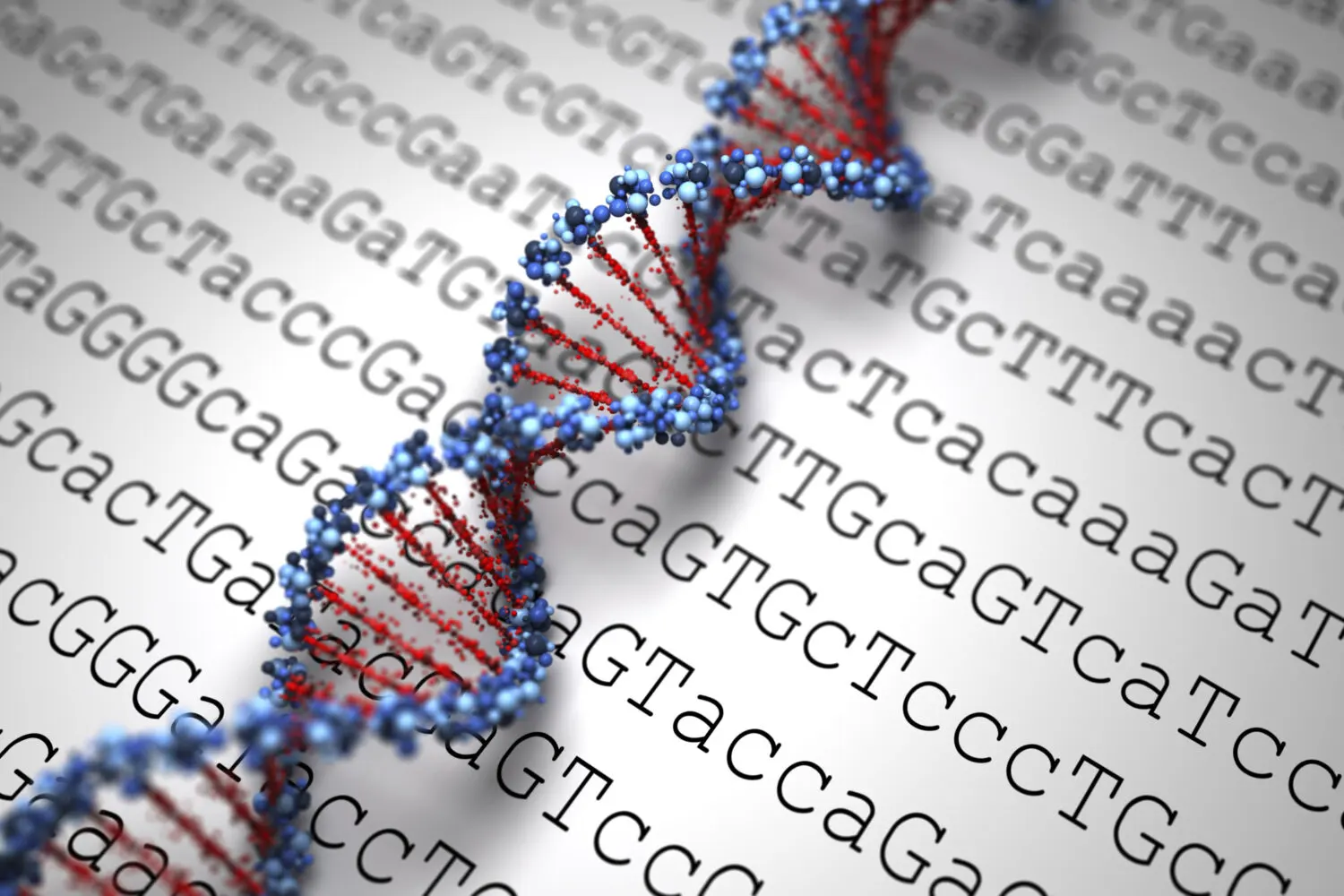
Clustered Regularly Interspaced Short Palindromic Repeats, universally known as CRISPR, represents one of the most significant breakthroughs in molecular biology since the discovery of the DNA double helix. Originally identified as a bacterial adaptive immune system that recognises and cuts the genetic material of invading viruses, CRISPR was adapted by researchers into a programmable tool for editing the genomes of living organisms. The system uses a guide RNA sequence to direct the Cas9 protein, or variants thereof, to a specific location in the DNA, where it creates a double-strand break. The cell’s natural repair machinery then mends the break, and this process can be harnessed to disable a gene, correct a faulty sequence, or insert new genetic material. The technique is faster, cheaper, and more precise than earlier gene-editing methods, democratising access to genetic modification and opening up possibilities that span medicine, agriculture, and fundamental research.
Advertisement
In medicine, the therapeutic potential of CRISPR is being explored for a range of genetic disorders, particularly those caused by a single well-characterised mutation. Conditions such as sickle cell disease and beta-thalassaemia have been the focus of early clinical trials, where haematopoietic stem cells are extracted from a patient, edited to reactivate foetal haemoglobin production, and then reinfused after the bone marrow has been conditioned. Initial results have been encouraging, with some patients experiencing substantial reductions in disease symptoms over sustained periods. Research is also underway for conditions affecting the liver, eye, and muscle, where delivery of the editing components to the target tissue remains a key challenge. Adeno-associated viral vectors and lipid nanoparticles are among the delivery strategies being investigated, each carrying distinct advantages and limitations in terms of cargo capacity, immunogenicity, and tissue tropism.
Despite its precision, CRISPR is not infallible. Off-target effects, where the editing machinery cuts DNA at unintended sites, remain a safety concern, as such unintended modifications could disrupt important genes or regulatory elements, potentially increasing the risk of cancer or other conditions. Bioinformatic tools and engineered protein variants with enhanced specificity are continuously being developed to minimise these risks, and whole-genome sequencing is employed to screen edited cells before therapeutic use. A separate concern arises from the mosaicism that can occur if editing takes place after a cell has already divided, meaning that not all cells in a tissue will carry the intended change. For somatic gene editing, which affects only non-reproductive cells in the treated individual, these risks are contained within the patient and are subject to the same risk-benefit evaluation as any experimental therapy. However, when editing is applied to early embryos, gametes, or germline cells, the changes become heritable, raising a fundamentally different order of ethical and societal questions.