
Culinary tourism has evolved from being a niche interest of dedicated gourmands into one of the most powerful motivations for travel. Food and drink provide a sensory connection to a place that is both immediate and memorable, encoding landscape, climate, history, and culture in a form that can be tasted, smelled, and shared. In the United Kingdom, the past two decades have witnessed a profound transformation in the reputation of the national cuisine, driven by a renaissance of artisan production, a network of farmers’ markets, and a generation of chefs committed to showcasing the best of regional ingredients. For the traveller, planning a journey around food experiences—whether a cider trail in Somerset, a seafood pilgrimage to the Moray Firth, or a cheese tour of the Midlands—offers a route into the identity of a place that is as revealing as visiting its museums and monuments.
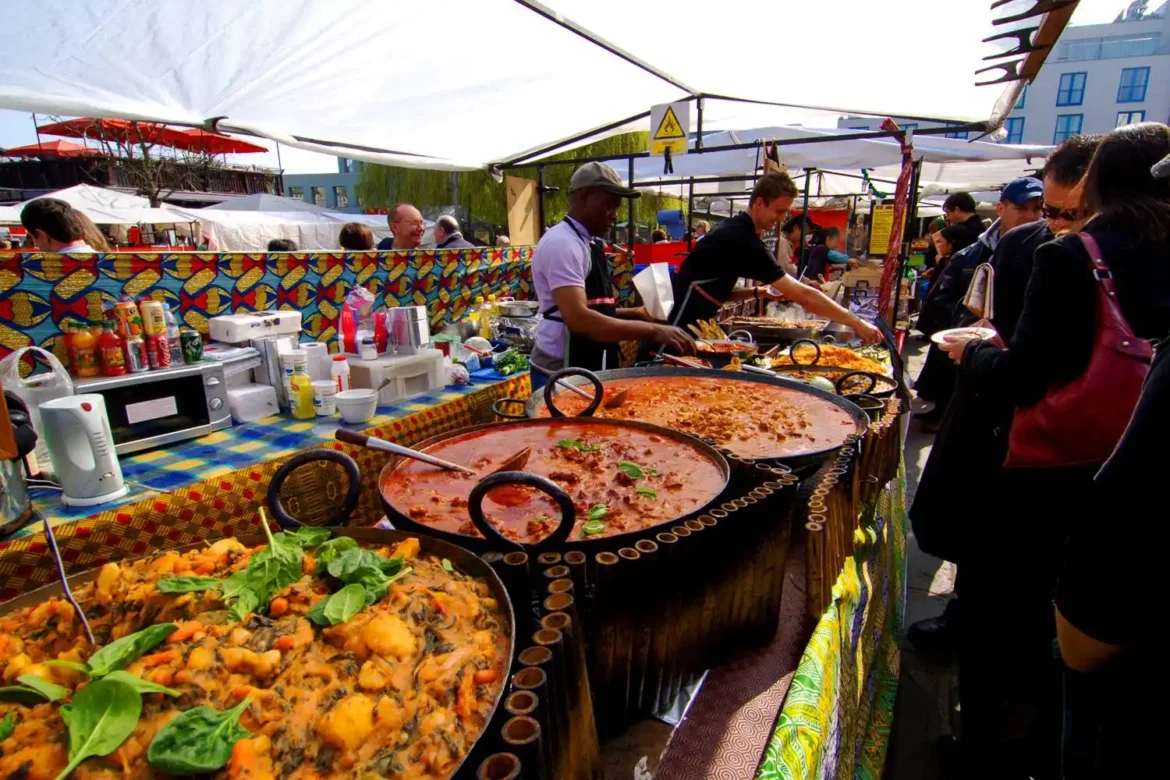
One of the most accessible entry points into culinary tourism is the local market. Markets function simultaneously as larders, social hubs, and living museums of regional specialities. Borough Market in London, operating near its current site for over a thousand years, has become a globally recognised destination where producers and importers sell everything from Stilton and Montgomery’s cheddar to artisanal salami and fresh truffles. Yet equally compelling are the smaller weekly markets in towns across Britain: the fish market at Brixham where the day’s catch is auctioned before dawn, the farmers’ market in Abergavenny that anchors the town’s famous food festival, or the indoor market in St George’s, Belfast, where traditional soda bread and potato farls sit alongside global street food stalls. Arriving early, talking to stallholders, and assembling the components of a picnic from different vendors can be one of the most satisfying activities of a trip, costing little but providing an authentic taste of a locality.
Beyond markets, food trails provide a structured way to explore a region through its specialities. The Scottish Malt Whisky Trail in Speyside, the largest concentration of malt whisky distilleries in the world, allows visitors to tour production facilities, learn about the alchemy of barley, water, and peat, and taste whiskies that are rarely exported. The Devonshire Cream Tea Trail charts the farmhouse tearooms and dairies that produce clotted cream, the iconic topping that, along with jam and a scone, constitutes a cream tea—though whether the jam or the cream goes first remains a subject of polite but fierce regional rivalry. The Wensleydale Cheese Experience in Yorkshire offers a chance to see the traditional cheese-making process and sample a cheese that has been protected under the European protected food name scheme, linking the product indelibly to its place of origin. These trails provide economic incentives for small producers to continue their craft and for visitors to venture into countryside and villages they might otherwise bypass.