

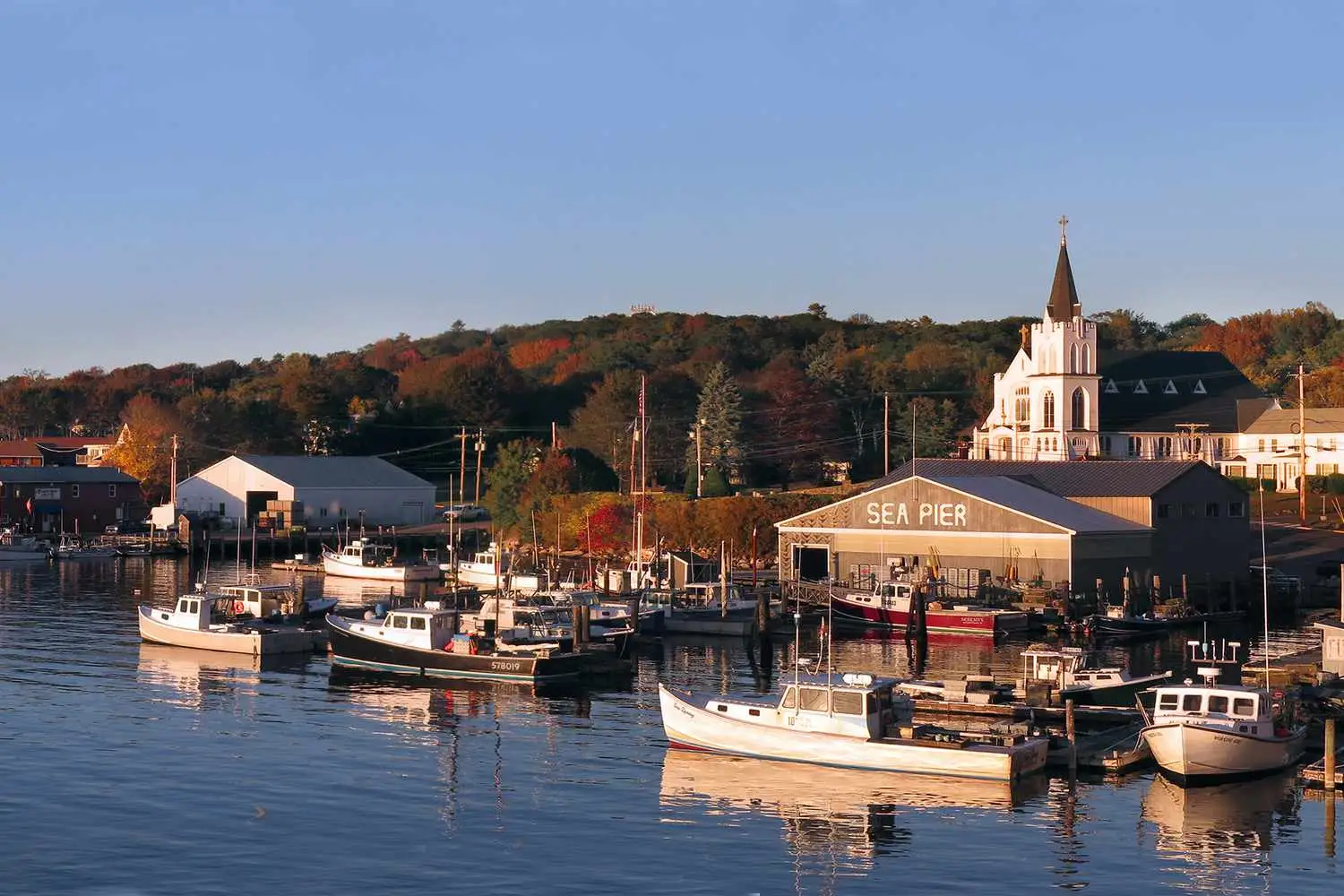
For much of the post-war period, the story of Britain’s coastal towns was one of gradual decline. The advent of affordable package holidays to the Mediterranean from the 1960s onwards drew visitors away from traditional seaside resorts, leaving behind empty hotels, fading piers, and a sense of economic stagnation. Industries that had sustained coastal communities, such as fishing and shipbuilding, also contracted, compounding the difficulties. In recent years, however, a quiet but unmistakable revival has been gathering momentum. A combination of changing travel tastes, renewed appreciation for local heritage, and targeted regeneration funding has breathed new life into many coastal towns, transforming them into vibrant destinations that offer a distinctive blend of nostalgia, nature, and contemporary culture.
Advertisement
Several factors have converged to make British coastal towns newly attractive. The experience of the pandemic period, during which international travel was severely restricted, prompted a rediscovery of domestic holiday options, and many people who had not visited a British seaside town since childhood returned to find them much improved. The trend towards slower, more immersive travel has aligned well with coastal holidays, which lend themselves to long walks, wild swimming, and simple pleasures such as fish and chips on a bench overlooking the sea. Furthermore, the flexibility of remote and hybrid working has allowed some professionals to relocate to coastal areas or spend extended periods there, bringing new skills, investment, and year-round custom to local businesses that had long struggled with seasonality.
Regeneration projects, often funded by a combination of government grants, lottery money, and private investment, have been instrumental in restoring the physical fabric of coastal towns. Derelict piers have been repaired and repurposed as cultural venues; the Hastings Pier, for example, was rebuilt with a focus on community events and live music and won the Stirling Prize for architecture in 2017. The Turner Contemporary gallery in Margate, opened in 2011, has been credited with catalysing the broader rejuvenation of the town, attracting a wave of artists, independent shops, and cafes that has led some to dub it Shoreditch-on-Sea. Similar stories, on a smaller scale, can be found in towns from Folkestone to Scarborough, where creative quarters have sprung up in formerly vacant high-street units, offering studio spaces, galleries, and artisan food producers that draw both visitors and local residents.