

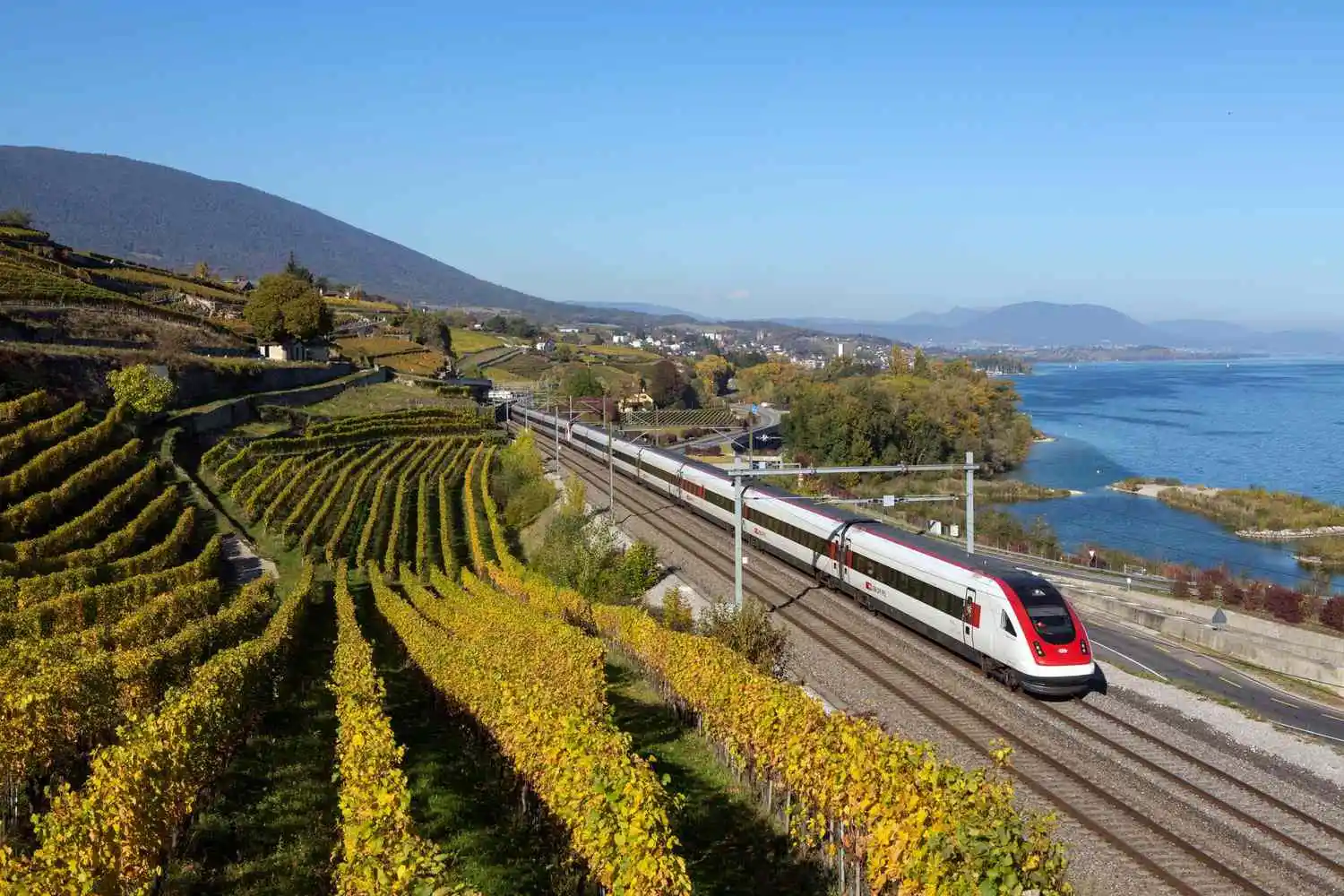
Travelling across Europe by train recalls a grand tradition of overland journeys, and the expanding network of high-speed and sleeper services has made rail an increasingly viable and low-stress alternative to flying for multi-city itineraries. A well-planned rail trip allows the traveller to witness the gradual transformation of landscapes, languages, and architecture, to step from a train directly into a city centre, and to avoid the hidden time costs of airport security, boarding queues, and transfer journeys. The renaissance of overnight trains on routes such as Brussels to Vienna, Berlin to Stockholm, and the longstanding Paris to Venice service gives modern travellers the option to cover long distances while they sleep, effectively adding a day to their holiday. Planning such a trip involves a blend of strategic routing, ticket selection, and pacing to create a journey that is as enjoyable as the destinations themselves.
Advertisement
The first step is to define the rough outline of the journey: the cities to be visited, the order in which they are connected, and the time available. A logical route often follows a geographic arc or a loop that minimises backtracking, reducing travel hours and cost. Popular corridors, such as London to Amsterdam to Berlin to Prague, or Paris to Geneva to Milan to Florence, benefit from frequent and fast connections. It can be helpful to consult a railway map rather than a road or flight map, as the rail network has its own nodes and hubs. Allocating a minimum of two full days in each city, and factoring in rest time, prevents the trip from becoming a blur of stations and suitcases. A journey of three cities in ten days often provides a satisfying balance, whereas attempting to visit six cities in the same period leaves little room for spontaneous discovery.
The question of ticketing is central to both budget management and flexibility. Interrail and Eurail passes offer the convenience of unlimited travel on participating railways within a set number of days over a longer period, and they are particularly economical for travellers who value the freedom to change plans at short notice. However, many high-speed and sleeper trains require seat or berth reservations in addition to the pass, which carry supplementary charges and can sell out during peak periods. The alternative is to purchase point-to-point advance tickets from the individual national rail operators, which can be significantly cheaper than flexible fares if booked weeks ahead but lock the traveller into specific trains. A hybrid approach, combining a pass for regional services with advance reservations for key high-speed legs, often yields the optimal mix of cost and flexibility. Booking sleeper cabins, particularly the more affordable couchettes, as early as possible is essential for popular summer dates.