


Home Lifestyle
Category:

Lifestyle

Advertisement

Digital screens are the dominant medium of modern life, serving as portals to work, social connection, entertainment, education, and essential services. The average adult in the United Kingdom now spends a significant portion of waking hours looking at a screen of some description, and for many, the boundary between online and offline existence has become so blurred as to be almost meaningless. While the benefits of this connectivity are immense, the sheer volume of screen exposure has prompted a growing concern about its effects on mental well-being, including disrupted sleep, reduced attention span, increased anxiety, and a diminished capacity for the kind of boredom that once sparked creativity. Balancing screen time is not about wholesale rejection of the digital world, which is neither practical nor desirable, but about cultivating a more intentional and conscious relationship with devices.

The starting point for rebalancing is accurate self-knowledge, which often reveals a gap between perceived and actual usage. Most smartphones now provide built-in tools that report daily screen time, the number of times the device was picked up, and the breakdown by application. Keeping a simple log for a week, noting not just the duration but the context and emotional state before and after using screens, can identify patterns. Many people discover that a substantial portion of their screen time is not genuinely chosen or enjoyable but rather the result of what has been termed a “digital pacifier”—the reflexive pull to check a device in moments of boredom, mild discomfort, or social awkwardness. Noticing this pattern without self-judgement is the first step; the automatic check is a habit, and habits can be reshaped.

Sleep hygiene is one of the most evidence-supported areas where reducing screen time delivers measurable benefits. The blue-enriched light emitted by LED screens, particularly when viewed close to the face, suppresses the production of melatonin, the hormone that signals to the body that it is time to sleep. Exposure to stimulating content—work emails, news, social media debates—can also activate the sympathetic nervous system, raising heart rate and making it harder to wind down. Establishing a digital curfew, ideally sixty to ninety minutes before bedtime, during which screens are put aside in favour of analogue activities such as reading a physical book, listening to music, gentle stretching, or conversation, can significantly improve sleep onset and quality. For those who must use screens in the evening, activating the device’s night mode, which shifts the display towards warmer colour temperatures, and reducing brightness are partial mitigations, though they do not address the cognitive stimulation.

Pages: 1 2

Advertisement

The image of leisure has long been shaped by the assumption that it is best enjoyed in company. Restaurants set tables for two, films are marketed to couples and groups, and the solo diner or traveller has at times been met with a faint air of pity or curiosity. This social norm is being steadily eroded by a cultural shift that recognises the distinct pleasures and developmental benefits of spending leisure time alone. Solo leisure activities, from dining out and attending the theatre to hiking, camping, and taking art classes, are gaining mainstream popularity across age groups in the United Kingdom. This trend reflects deeper changes in household structures, attitudes to self-care, and the growing understanding that the relationship one has with oneself is the foundation upon which all other relationships are built.

The demographic drivers behind this shift are multifaceted. The rise in single-person households, which now account for nearly a third of all UK households, creates a natural constituency for solo leisure. The delay or forgoing of marriage and cohabitation among younger adults extends a period of independent living. Older adults, particularly women, may outlive partners and face the choice of either curtailing their leisure or embracing solo pursuits. Beyond these structural factors, there is a growing psychological recognition that solitude, when chosen rather than imposed, is not loneliness. Loneliness is the distressing feeling of disconnection from others, whereas solitude is a positive state of being alone without feeling lonely, rich with opportunities for reflection, creativity, and autonomy. The commercial and cultural landscape has begun to adapt to this distinction, with businesses and organisations designing experiences that welcome the solo participant.

Dining alone is a practice that has moved from a source of anxiety to a sign of confident self-possession. Restaurants, particularly in cities, have increasingly catered to solo diners by offering counter seating facing an open kitchen, which provides both culinary theatre and a natural point of interaction with chefs and staff. Communal tables, where solo diners can choose to engage with strangers or remain in their own company, offer a flexible middle ground. A solo meal allows for undivided attention to the food, an experience that dedicated gastronomes often prefer because it eliminates the distraction of conversation and permits a full sensory immersion. Taking a book or a journal to a café for a leisurely breakfast or lunch on a weekend has become a common and pleasurable ritual, providing a pocket of peaceful time in a busy world.

Pages: 1 2

Advertisement

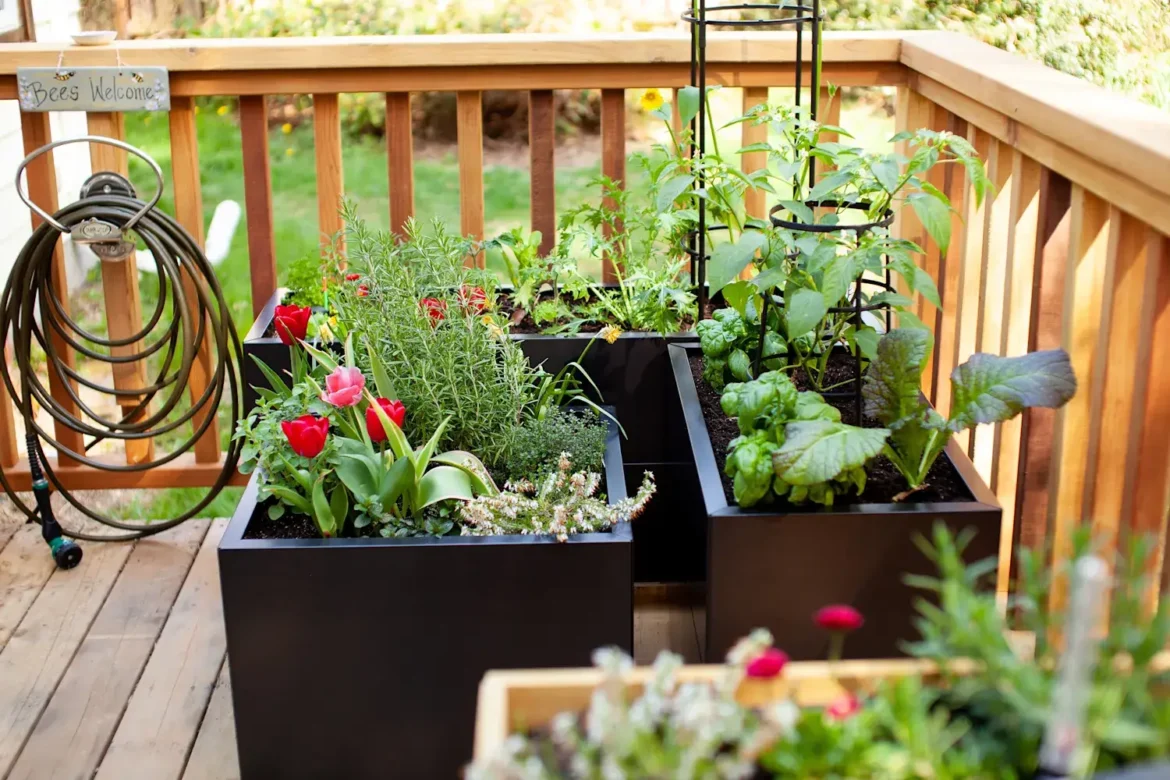
The desire to cultivate plants, to nurture seeds into flowers and food, is a fundamental human impulse that urban living can frustrate but need not extinguish. Across Britain’s towns and cities, residents are transforming windowsills, balconies, courtyards, and even stairwells into productive and beautiful gardens. Small-space gardening calls for a different set of techniques than those employed in large suburban plots: an emphasis on vertical growing, container selection, microclimate awareness, and the disciplined selection of high-yield or high-pleasure crops. The rewards are disproportionate to the square footage involved. A tiny garden can provide a daily harvest of herbs, a succession of seasonal blooms, and a vital connection to the rhythms of nature in the heart of the built environment.

The first step is an honest assessment of the available space and its conditions. Light is the most limiting factor in an urban setting; a south-facing balcony receives many more hours of direct sun than a north-facing windowsill shaded by adjacent buildings. Observing the path of the sun across the space at different times of day, and noting which areas receive full sun, partial shade, or deep shade, determines what can be grown successfully. Wind is another urban factor, as tall buildings can funnel and intensify gusts that desiccate plants and topple pots. Windbreaks, which can be as simple as a trellis with a tough climber or a strategically placed piece of frosted perspex that still admits light, can transform a windy balcony into a sheltered microclimate. The temperature profile of a city is often warmer than the surrounding countryside due to the heat island effect, which can extend the growing season slightly but also increases water evaporation.

Container choice governs root health and moisture retention. Terracotta pots are attractive but porous, losing water quickly and requiring more frequent irrigation; glazed ceramic and plastic containers retain moisture longer. Self-watering pots, which have a reservoir at the base separated by a wicking mechanism, are particularly useful for balconies and for gardeners who travel, as they buffer against the rapid drying that small containers experience in hot weather. The volume of soil in a container dictates how large a plant can grow and how often it needs watering; a minimum depth of twenty centimetres is recommended for most vegetables. Drainage holes are non-negotiable, but placing a saucer or tray underneath to capture water conserves moisture and prevents staining on balcony floors. Lightweight growing media that combine peat-free compost with perlite or vermiculite offer good drainage and aeration without being heavy, an important consideration for balcony load-bearing.

Pages: 1 2

Advertisement

The journey towards a low-waste household is often depicted in social media images of spotless glass jars, immaculate pantries, and expensive eco-friendly products. This aesthetic can create the impression that reducing household waste is a lifestyle reserved for the affluent, who can afford to buy exclusively package-free organic goods from specialist stores. The reality, however, is that the most impactful waste-reduction strategies are frequently the most frugal ones, rooted in traditions that predate the throwaway culture of the late twentieth century. Creating a low-waste household on a budget involves shifting from a mindset of consumption and disposal to one of resourcefulness, repair, and intentional purchasing. It is a gradual, forgiving process that can save money while reducing the volume of material sent to landfill or incineration.

The most effective starting point is an audit of the household waste bin over the course of a week or two. This involves, quite literally, looking at what is thrown away and categorising it: food packaging, uneaten food, single-use products, broken items. The audit often reveals that a significant proportion of waste is food-related, whether plastic wrapping, peelings, or leftovers. Tackling food waste is a triple win, saving money on groceries, reducing methane emissions from landfill, and cutting plastic. Meal planning, even loosely, and shopping from a list significantly reduces impulse purchases that go uneaten. Learning to store different types of fruit and vegetables correctly extends their life; for example, keeping potatoes in a dark, cool place and wrapping leafy greens in a damp tea towel in the fridge. Vegetable peels, onion ends, and bones can be collected in a container in the freezer and turned into stock, a centuries-old practice that extracts maximum value from ingredients.

The reduction of single-use household items offers an accessible series of swaps that pay for themselves over time. A set of reusable cleaning cloths, which can be cut from old cotton t-shirts or towels, replaces disposable kitchen roll and can be washed and reused hundreds of times. Dilutable cleaning concentrates or simple homemade solutions of vinegar, bicarbonate of soda, and liquid castile soap can substitute a range of specialist cleaning products, reducing both plastic packaging and cost. Refill shops, where customers bring their own containers to purchase cleaning products, pulses, pasta, and toiletries by weight, are increasingly present in British towns and cities, and buying staples in bulk from such shops is often cheaper per gram than the packaged supermarket equivalent, especially when buying exactly the quantity needed avoids waste. Where refill shops are not accessible, choosing the largest available package size of a product reduces the packaging-to-content ratio and typically costs less per unit.

Pages: 1 2

Advertisement

Mindful eating draws on the ancient Buddhist practice of mindfulness, which involves paying deliberate, non-judgemental attention to the present moment. Applied to the act of nourishment, it invites a shift away from eating on autopilot—grabbing a sandwich at a desk, consuming crisps in front of the television, or finishing a plate without really tasting it—towards a more conscious and engaged relationship with food. In a culture that often promotes conflicting dietary advice, body image anxieties, and an abundance of highly processed convenience foods designed to be eaten quickly and in large quantities, mindful eating offers not a set of rigid rules but a framework for reconnecting with internal cues of hunger, satiety, and satisfaction. The practice has been studied in clinical settings and adopted in everyday life as a way to bring greater awareness, enjoyment, and balance to one of the most fundamental human activities.

The core of mindful eating lies in engaging the senses fully before, during, and after a meal. It begins with pausing to notice physical hunger, distinguishing between a growling stomach that signals a genuine need for energy and a desire to eat triggered by stress, boredom, or social cues. When food is selected, taking a moment to appreciate its colours, aromas, and textures before taking the first bite primes the digestive system and elevates the anticipation of pleasure. Eating slowly, chewing thoroughly, and putting down utensils between mouthfuls allows the complex flavours to unfold on the palate and gives the body time to register fullness, a signal that takes approximately twenty minutes from the start of a meal to reach the brain. This deliberate pace often leads to eating less overall while feeling more satisfied, because the sensory experience has been richer and more complete.

Psychological research has explored the relationship between mindful eating and the management of disordered eating patterns and emotional eating. By cultivating a non-judgemental awareness of the thoughts and feelings that arise around food, individuals can begin to observe, rather than automatically act on, the impulse to eat in response to negative emotions or environmental triggers. A pause between the urge and the action creates a space in which a choice can be made. This does not mean that eating for comfort is always to be avoided; there are times when a warm bowl of soup or a piece of chocolate genuinely provides solace, and a mindful approach honours that without guilt. The difficulty arises when emotional eating becomes the primary coping mechanism and operates outside of conscious awareness. Mindful eating brings that pattern into the light, not through willpower or deprivation, but through gentle curiosity, which over time can dissolve the compulsive quality of the behaviour.

Pages: 1 2

Advertisement

logo-white

Disclaimer
Content available on this blog page reflects personal opinions, research, and general information at the time of publication. The website owner is not responsible for errors, omissions, or outcomes related to the use of this content. External links and third-party references may be included for convenience and do not imply endorsement.

Contact information

Luminous Sculpture LTD

75 Zig Zag Rd, Liverpool L12 9EQ, UK

+441512284251

info@luminous-sculpture.com

© All rights reserved. 2026