

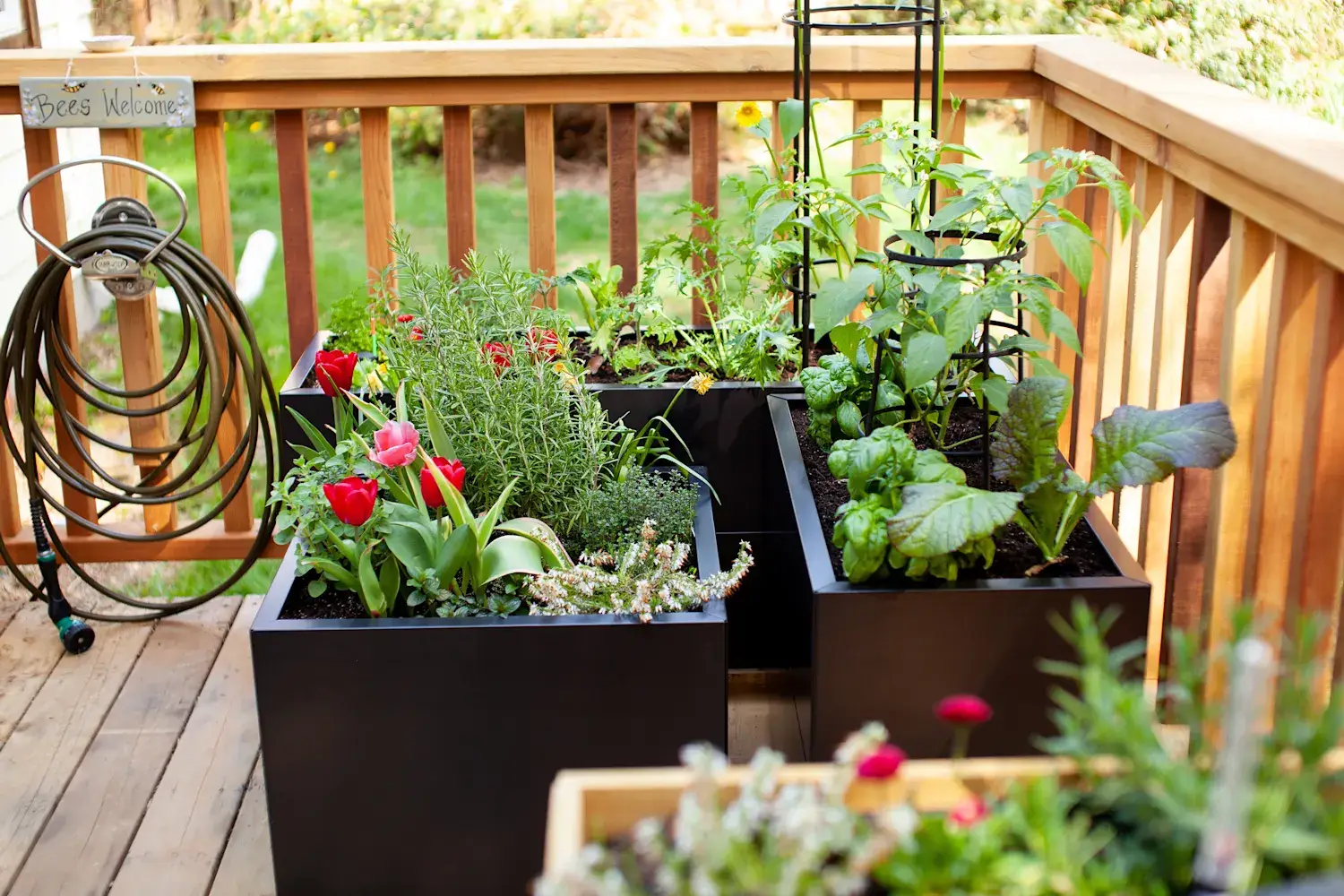
The desire to cultivate plants, to nurture seeds into flowers and food, is a fundamental human impulse that urban living can frustrate but need not extinguish. Across Britain’s towns and cities, residents are transforming windowsills, balconies, courtyards, and even stairwells into productive and beautiful gardens. Small-space gardening calls for a different set of techniques than those employed in large suburban plots: an emphasis on vertical growing, container selection, microclimate awareness, and the disciplined selection of high-yield or high-pleasure crops. The rewards are disproportionate to the square footage involved. A tiny garden can provide a daily harvest of herbs, a succession of seasonal blooms, and a vital connection to the rhythms of nature in the heart of the built environment.
Advertisement
The first step is an honest assessment of the available space and its conditions. Light is the most limiting factor in an urban setting; a south-facing balcony receives many more hours of direct sun than a north-facing windowsill shaded by adjacent buildings. Observing the path of the sun across the space at different times of day, and noting which areas receive full sun, partial shade, or deep shade, determines what can be grown successfully. Wind is another urban factor, as tall buildings can funnel and intensify gusts that desiccate plants and topple pots. Windbreaks, which can be as simple as a trellis with a tough climber or a strategically placed piece of frosted perspex that still admits light, can transform a windy balcony into a sheltered microclimate. The temperature profile of a city is often warmer than the surrounding countryside due to the heat island effect, which can extend the growing season slightly but also increases water evaporation.
Container choice governs root health and moisture retention. Terracotta pots are attractive but porous, losing water quickly and requiring more frequent irrigation; glazed ceramic and plastic containers retain moisture longer. Self-watering pots, which have a reservoir at the base separated by a wicking mechanism, are particularly useful for balconies and for gardeners who travel, as they buffer against the rapid drying that small containers experience in hot weather. The volume of soil in a container dictates how large a plant can grow and how often it needs watering; a minimum depth of twenty centimetres is recommended for most vegetables. Drainage holes are non-negotiable, but placing a saucer or tray underneath to capture water conserves moisture and prevents staining on balcony floors. Lightweight growing media that combine peat-free compost with perlite or vermiculite offer good drainage and aeration without being heavy, an important consideration for balcony load-bearing.