

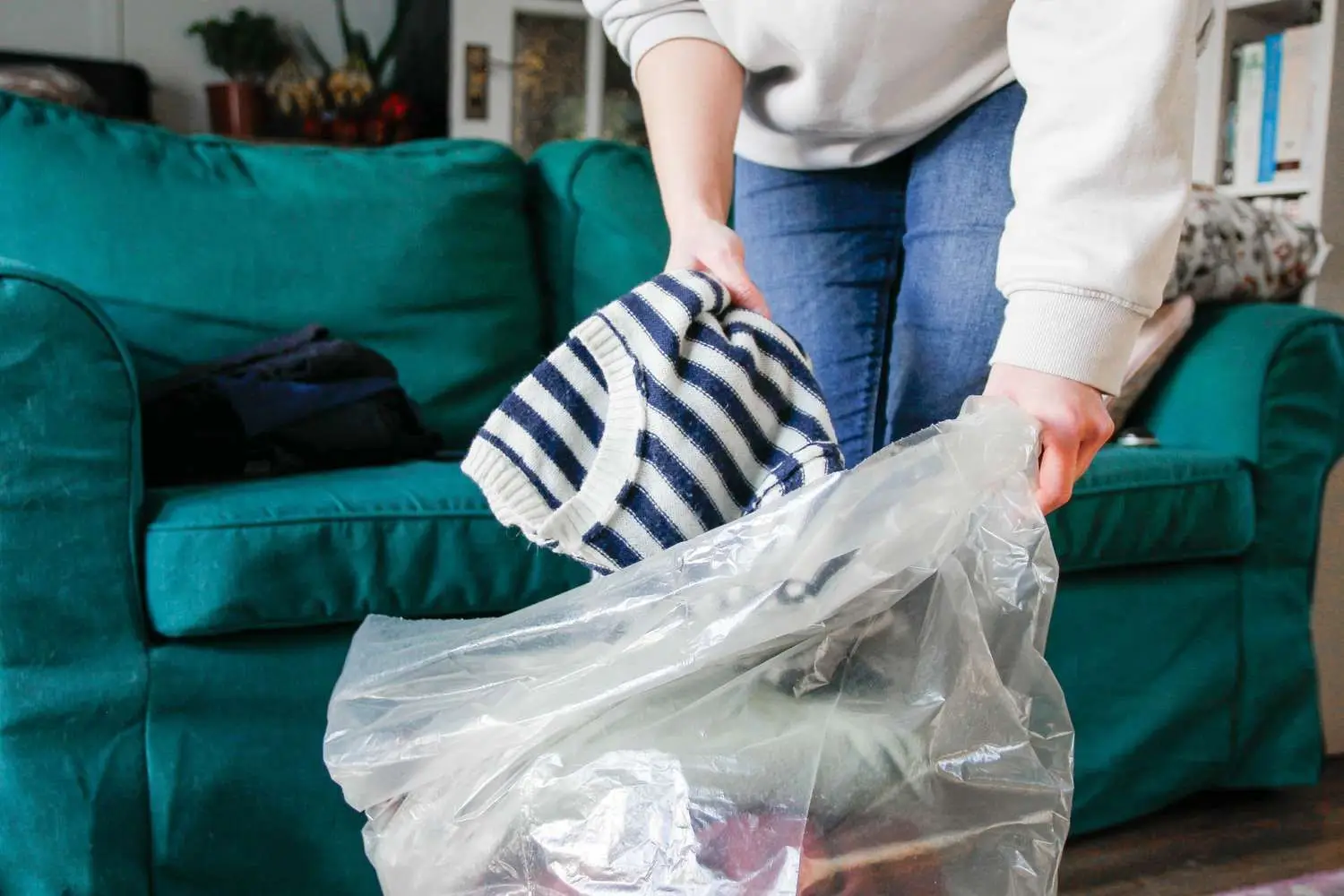
The journey towards a low-waste household is often depicted in social media images of spotless glass jars, immaculate pantries, and expensive eco-friendly products. This aesthetic can create the impression that reducing household waste is a lifestyle reserved for the affluent, who can afford to buy exclusively package-free organic goods from specialist stores. The reality, however, is that the most impactful waste-reduction strategies are frequently the most frugal ones, rooted in traditions that predate the throwaway culture of the late twentieth century. Creating a low-waste household on a budget involves shifting from a mindset of consumption and disposal to one of resourcefulness, repair, and intentional purchasing. It is a gradual, forgiving process that can save money while reducing the volume of material sent to landfill or incineration.
Advertisement
The most effective starting point is an audit of the household waste bin over the course of a week or two. This involves, quite literally, looking at what is thrown away and categorising it: food packaging, uneaten food, single-use products, broken items. The audit often reveals that a significant proportion of waste is food-related, whether plastic wrapping, peelings, or leftovers. Tackling food waste is a triple win, saving money on groceries, reducing methane emissions from landfill, and cutting plastic. Meal planning, even loosely, and shopping from a list significantly reduces impulse purchases that go uneaten. Learning to store different types of fruit and vegetables correctly extends their life; for example, keeping potatoes in a dark, cool place and wrapping leafy greens in a damp tea towel in the fridge. Vegetable peels, onion ends, and bones can be collected in a container in the freezer and turned into stock, a centuries-old practice that extracts maximum value from ingredients.
The reduction of single-use household items offers an accessible series of swaps that pay for themselves over time. A set of reusable cleaning cloths, which can be cut from old cotton t-shirts or towels, replaces disposable kitchen roll and can be washed and reused hundreds of times. Dilutable cleaning concentrates or simple homemade solutions of vinegar, bicarbonate of soda, and liquid castile soap can substitute a range of specialist cleaning products, reducing both plastic packaging and cost. Refill shops, where customers bring their own containers to purchase cleaning products, pulses, pasta, and toiletries by weight, are increasingly present in British towns and cities, and buying staples in bulk from such shops is often cheaper per gram than the packaged supermarket equivalent, especially when buying exactly the quantity needed avoids waste. Where refill shops are not accessible, choosing the largest available package size of a product reduces the packaging-to-content ratio and typically costs less per unit.