

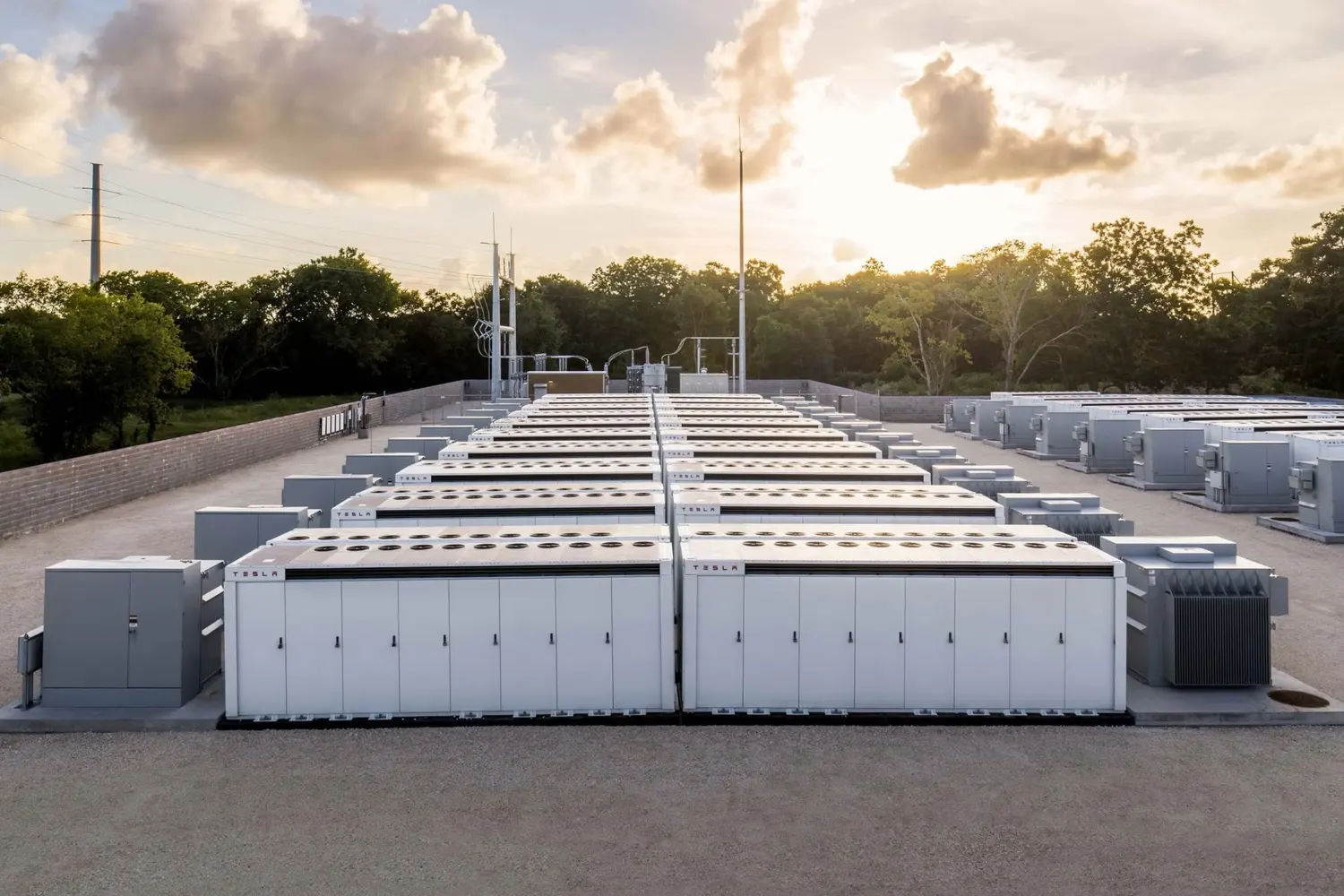
Mechanical and thermal storage methods offer proven, long-duration options that can discharge over days or even weeks. Pumped hydro storage, which accounts for the vast majority of global installed storage capacity, uses surplus electricity to pump water to an upper reservoir and releases it through turbines when power is needed. While geography limits new large-scale pumped hydro sites, countries including the UK are exploring repurposing disused mines and quarries. Compressed air energy storage, where air is pressurised and stored in underground caverns or purpose-built vessels, is also seeing renewed interest with projects that improve round-trip efficiency by capturing and reusing heat generated during compression. Thermal storage, such as molten salt systems used in concentrating solar power plants or electrically heated thermal bricks in industrial processes, converts electricity to heat and then back to power or uses the heat directly, offering a versatile and cost-effective means of storing large amounts of energy for heating applications.
Advertisement
Hydrogen produced via electrolysis using renewable electricity, often referred to as green hydrogen, is increasingly viewed as a critical vector for long-term, seasonal energy storage and for decarbonising hard-to-electrify sectors such as steelmaking, ammonia production, and heavy transport. Excess renewable electricity can split water into hydrogen and oxygen, and the hydrogen can be stored under pressure in tanks, in salt caverns, or blended into existing gas networks to a limited extent. When electricity is needed, hydrogen can be converted back through fuel cells or in specially designed gas turbines. Although the round-trip efficiency of the electricity-hydrogen-electricity pathway is lower than that of batteries, the ability to store vast quantities for months makes it attractive for managing seasonal mismatches between supply and demand, particularly in northern European countries like Britain, where winter heating loads are significant and solar generation dips markedly.
The integration of energy storage into electricity markets and regulatory frameworks continues to evolve, shaping the business case for investment. In Great Britain, the electricity system operator has introduced new market rules that recognise the distinct capabilities of storage, such as the ability to both supply and consume power, moving away from classifications that treated storage like a generator or a demand customer only. Aggregated fleets of residential batteries, often paired with rooftop solar panels, are also beginning to participate in virtual power plant schemes, allowing households to earn revenue by providing grid services while maintaining backup power for personal use. As reliance on intermittent renewables grows, the value of flexibility increases, and a diverse mix of storage technologies, optimised for different timescales and applications, will be essential to maintain a secure, affordable, and clean electricity supply. Continued research into materials science, manufacturing processes, and sustainable end-of-life recycling will further strengthen the sector’s contribution to net-zero ambitions.