

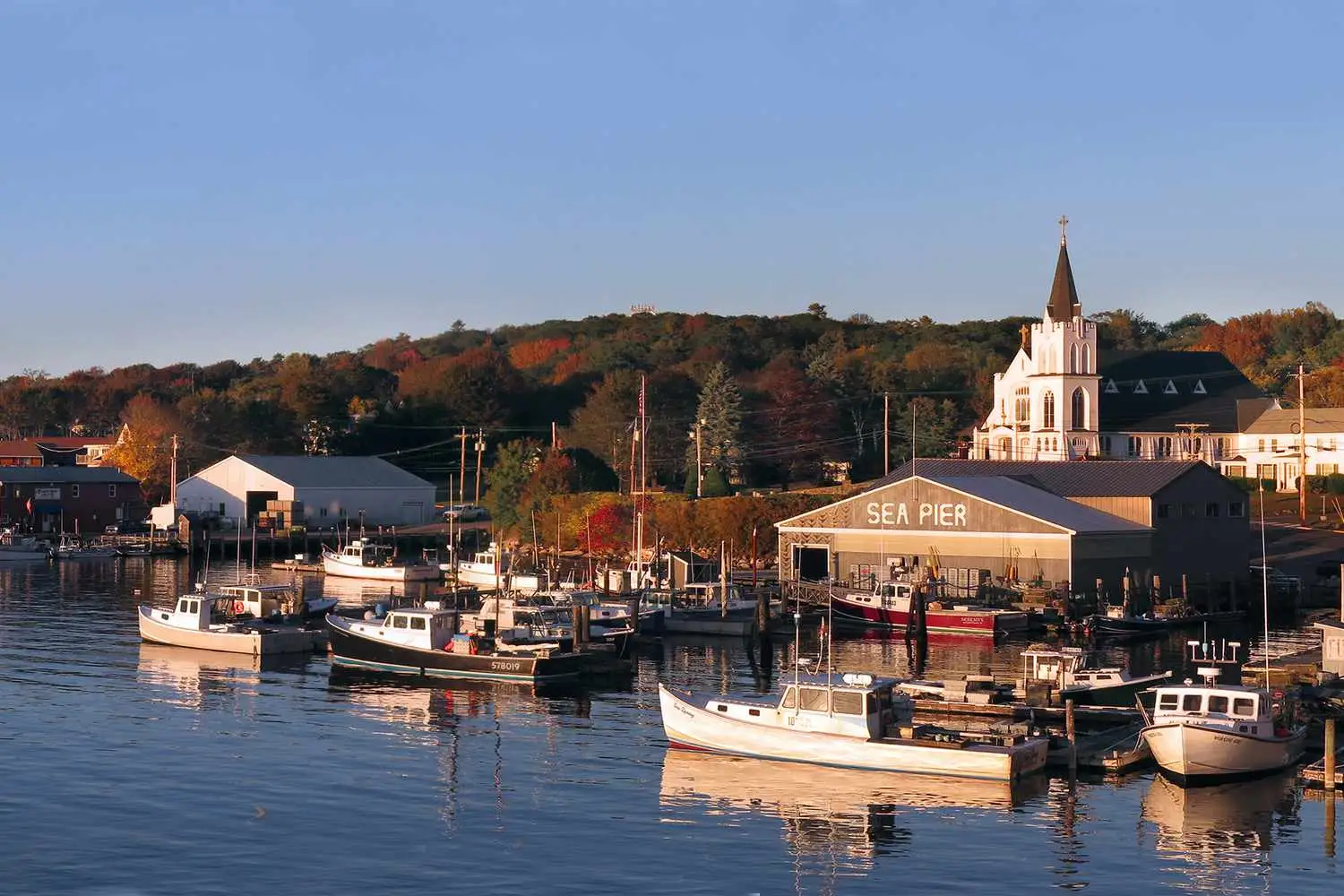
The culinary renaissance of coastal towns has moved far beyond the traditional seaside fare, although a well-executed plate of locally caught fish remains a highlight. A new generation of chefs and restaurateurs has set up in coastal locations, attracted by lower rents and the proximity to exceptional ingredients. Oyster farms in Whitstable and Mersea, crab sheds in Cromer, and smokehouses in Arbroath have become destinations in their own right. Farmers’ markets and food festivals celebrating regional specialities, from Dorset apple cake to Anglesey sea salt, add a gastronomic dimension to the holiday. Microbreweries, distilleries, and vineyard tours have expanded the offering for evening entertainment, complementing the restored theatres, independent cinemas, and live music venues that are drawing visitors back after dark.
Advertisement
Outdoor and wellness activities have become a major pillar of the coastal offer. The growing popularity of cold-water swimming has seen groups of swimmers taking to the sea year-round, with towns such as Bude in Cornwall and Sandown on the Isle of Wight hosting regular community swims. Coastal walking paths, including the England Coast Path, which when complete will be the longest continuous coastal trail in the world, provide access to dramatic geology, wildlife colonies, and sweeping views. Cycling routes, from gentle promenade paths to more challenging headland loops, have been improved and signposted. Yoga retreats, spa hotels with sea views, and mindfulness workshops set against the sound of waves cater to the demand for restorative breaks that address mental and physical well-being. This diversification of the tourism product has extended the season, with spring wildflower walks, autumn storm watching, and winter festive markets bringing visitors outside the traditional summer peak.
The revival of coastal towns is not without its tensions. The influx of second-home owners and holiday lets, accelerated by the popularity of platforms such as Airbnb, has driven up house prices in many desirable locations, making it difficult for local young people to afford to remain in the communities where they grew up. Some towns have responded by introducing primary residence requirements for new-build housing developments and by lobbying for stronger regulation of short-term rentals. The challenge for the coming years is to manage the success of the revival in a way that shares its benefits equitably, preserving the authentic character and community fabric that made these towns attractive in the first place. When this balance is achieved, the British seaside offers something that the long-haul alternative cannot: a sense of continuity, belonging, and the deep-rooted pleasure of returning to a familiar shore.