

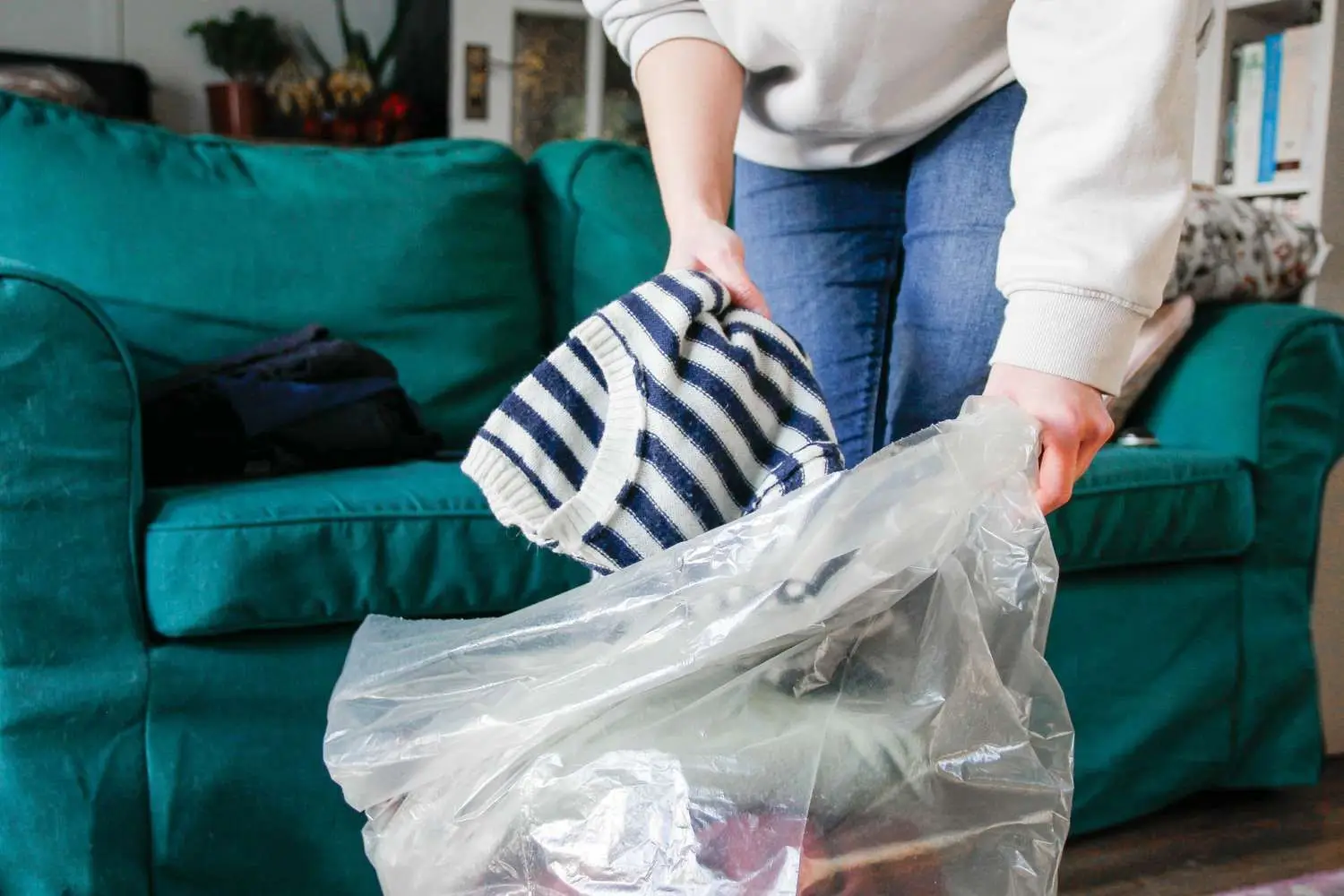
Repair and mending, once everyday domestic skills, are being revived through community repair cafes, online tutorials, and a growing recognition that discarding an item because of a minor fault is neither economically nor environmentally sound. Learning basic sewing to darn a sock, patch a pair of jeans, or sew a button extends the life of clothing for years. Simple electrical repairs, such as replacing a plug fuse or a vacuum cleaner belt, are well within the capability of most people with the aid of a clear instruction video. For more complex items, repair cafes staffed by volunteers who share their skills free of charge have proliferated across the UK, providing not only a practical service but a convivial community space that resists the isolation of consumer culture. When a replacement is genuinely needed, buying second-hand from charity shops, online marketplaces, or community sharing groups offers quality items at a fraction of the cost of new and prevents usable goods from entering the waste stream.
Advertisement
The pursuit of a low-waste household also involves becoming an active citizen in the systems that manage waste. Understanding local council recycling rules, which can vary significantly between areas, ensures that recyclable materials are properly sorted and not contaminated, which can cause whole batches to be rejected. Writing to supermarkets and manufacturers to request reduced or plastic-free packaging, while it might feel like a small action, contributes to a cumulative consumer demand that companies do track and respond to. Engaging with community composting schemes, or starting a small compost bin or wormery in a garden or balcony, turns kitchen scraps into a resource for growing herbs or vegetables, completing a local nutrient cycle. These actions connect the individual household to a broader movement, counteracting the feeling of helplessness that can arise when facing global environmental problems.
The low-waste path, when pursued on a budget, naturally aligns with values that are at once ecological and thrifty. It is not about achieving a perfect, zero-waste existence—an aspiration that is largely impossible within current infrastructure—but about a steady, mindful reduction in the flow of materials through the home. Each small change, maintained over time, compounds into significant reductions. A household that adopts these practices typically finds that its weekly expenses decrease, its connection to the objects and food it uses deepens, and the weekly ritual of putting out bins for collection becomes a little less onerous. The low-waste household is not a pristine showroom; it is a lived-in, evolving space where practicality, creativity, and care converge.