

Solo travel, once considered the preserve of the intrepid or the lonely, has become one of the fastest-growing segments of the tourism industry. The solo traveller enjoys complete control over itinerary, pace, and budget, without the compromises that group travel demands. The rise of solo group tours, where individuals book onto a tour with other solo travellers, offers a structured way to see a destination with the security of a guide and the ready-made sociality of a group, appealing to those who want the independence of solo travel with the companionship of shared experiences. For the truly independent, the proliferation of smartphones with translation apps, mapping tools, and peer-review platforms has reduced the friction of navigating unfamiliar places alone. Hostels, which have upgraded their offerings to include private rooms, and the growing stock of single-occupancy hotel rooms without a supplement, have made solo travel more affordable and comfortable. The experience of navigating a foreign city alone, solving problems as they arise, builds a quiet self-reliance that many solo travellers report as the most valuable souvenir of their trip.
Advertisement
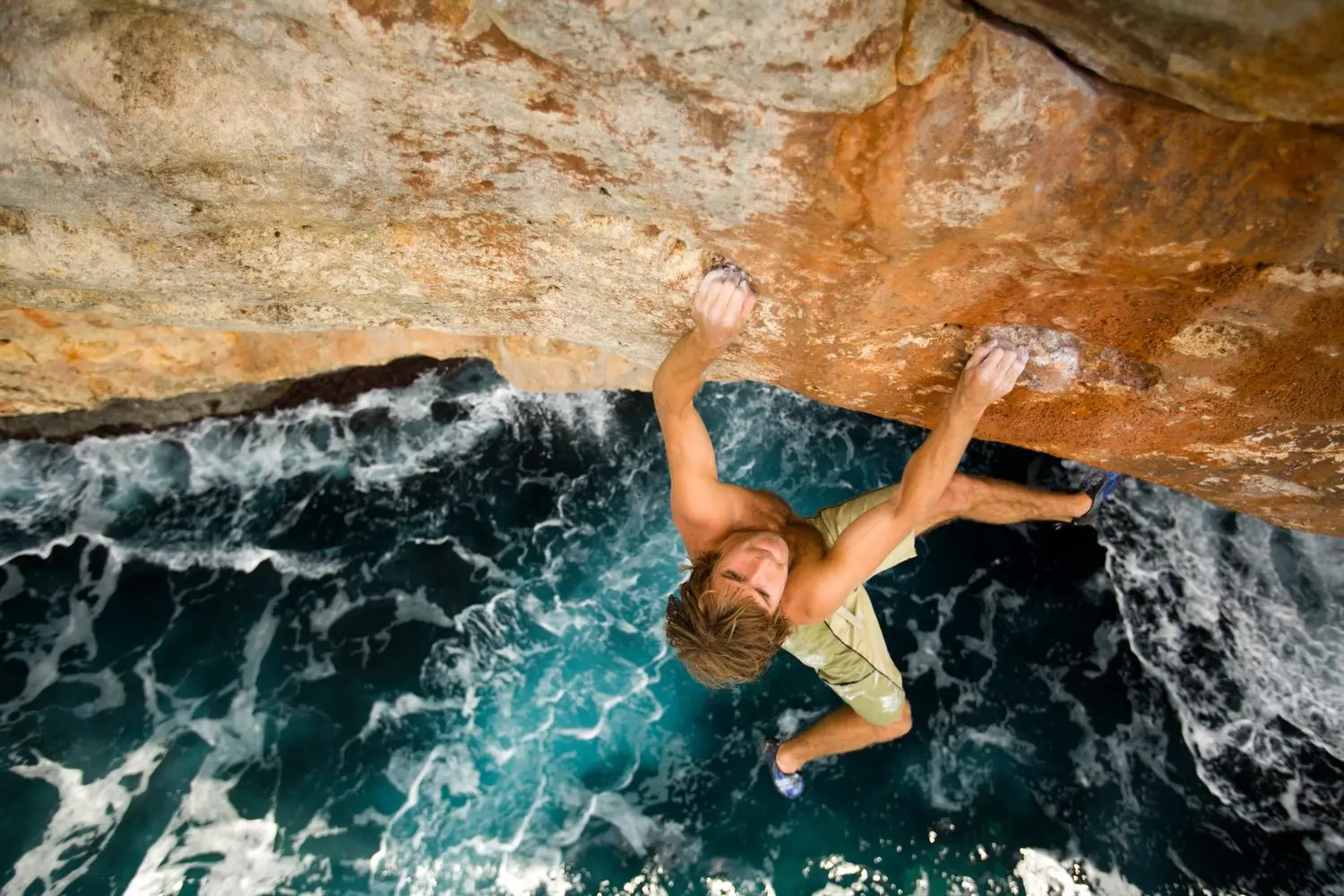
Cultural and outdoor solo pursuits are also expanding. Attending the cinema, a concert, or a museum exhibition alone allows for an unmediated encounter with the art, free from the need to discuss or negotiate preferences. Hiking alone, especially on well-marked and populated trails, offers a rhythm of walking that can induce a meditative state, a deep absorption in landscape and physical movement. The safety considerations that particularly concern women engaging in solo outdoor activities are being addressed through the growth of women-only walking and adventure groups, which provide a stepping stone between companionate and fully independent recreation. Running, cycling, and wild swimming are inherently flexible activities that can be easily undertaken alone, and they feature prominently in the routines of people who value the combination of exercise, nature, and solitude as a tonic for mental health.
The embrace of solo leisure does not signal a retreat from social connection but a rebalancing. People who are comfortable spending time alone often bring a more grounded and secure presence to their relationships, because they are not looking to others to fill an internal void. The ability to enjoy one’s own company is a skill that can be developed, starting with small, manageable outings—a solo coffee, a walk in the park—and building towards longer and more ambitious experiences. In a society that often conflates being busy and surrounded with being fulfilled, the deliberate choice to spend Saturday afternoon alone, pottering in a garden, wandering through a gallery, or simply sitting on a bench by a river, can feel like a quiet act of resistance and a profound form of self-respect.