

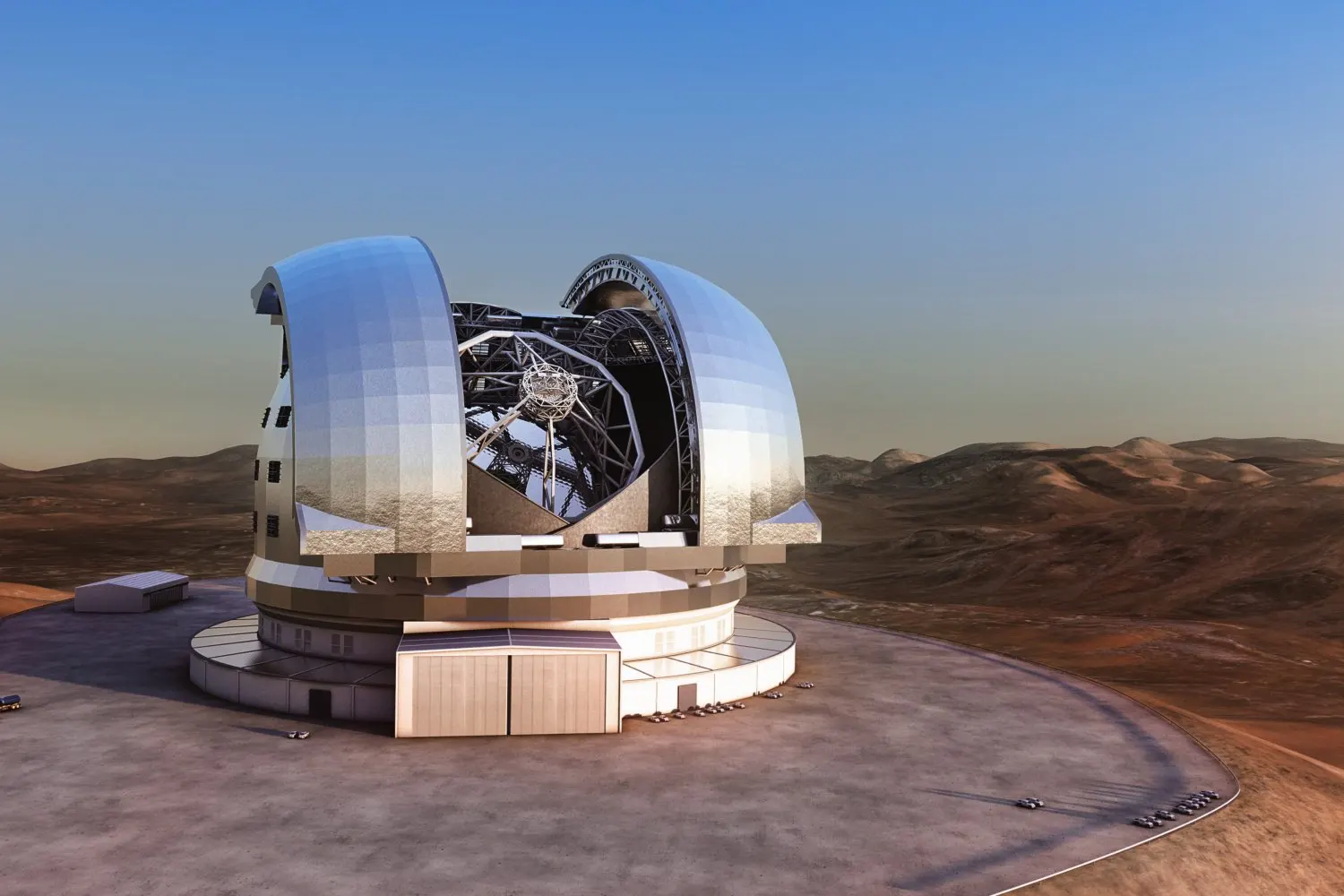
The next major leap in exoplanet characterisation is the study of planetary atmospheres. When a planet transits its star, a tiny fraction of starlight filters through the atmosphere, imprinting absorption lines that betray the presence of gases such as water vapour, methane, carbon dioxide, and oxygen. The James Webb Space Telescope, launched in 2021, has already begun delivering unprecedented infrared spectra of exoplanet atmospheres, revealing the chemical makeup of worlds dozens of light-years away. Detecting a combination of gases that is far from chemical equilibrium, such as the simultaneous presence of oxygen and methane, could be an indicator of biological activity, though such biosignatures must be interpreted with extreme caution because abiotic processes can also produce these mixtures. The search is therefore less about finding a single smoking gun and more about building a body of contextual evidence, including knowledge of the planet’s star, orbit, and geological history.
Advertisement
The search for life beyond Earth also extends to worlds within our own Solar System, informing the broader astrobiological context. Mars continues to be investigated through rovers and orbiters that seek signs of past surface water and organic molecules. The icy moons Europa and Enceladus, orbiting Jupiter and Saturn respectively, are compelling targets because they harbour subsurface liquid water oceans in contact with rocky mantles, creating potential habitats analogous to deep-sea hydrothermal vent communities on Earth. NASA’s Europa Clipper mission and the European Space Agency’s JUICE mission, both to the Jovian system, aim to characterise these ocean worlds in detail. Regardless of whether life is ultimately found on a nearby moon or a distant exoplanet, the discovery would have profound implications for biology, philosophy, and culture, confirming that the origin of life is not a singular event unique to Earth.
As technology advances, the dream of taking a direct image of an Earth-like exoplanet and analysing its atmosphere for signs of life is moving from science fiction towards a credible long-term scientific objective. Proposed space telescopes, such as the Habitable Worlds Observatory concept under study by NASA, would use advanced starlight suppression techniques to block out the glare of a star and directly capture light reflected from a small rocky planet. International cooperation and sustained investment over decades will be needed, reflecting the magnitude of the quest. In the meantime, each newly discovered world, each spectrum painstakingly extracted from the noise of a distant star, adds a vital piece to the puzzle. The search for exoplanets is ultimately a search for ourselves, a way of understanding whether the conditions that gave rise to life on our own world are commonplace or a rare cosmic accident.