

The practicalities of packing for a rail trip are different from those of a flight. There are no baggage weight limits or liquid restrictions, which permits bringing a favourite pillow for overnight trains and a corkscrew for local wine purchases. However, the traveller must be able to manage their own luggage on and off trains, often within short boarding times, so a wheeled bag or a comfortable rucksack that can be lifted onto overhead racks is advisable. A lightweight foldable daypack is useful for exploring cities while leaving the main bag in a station locker or hotel. Comfort items—a scarf that doubles as a blanket on air-conditioned carriages, a reusable water bottle, and downloaded podcasts or e-books—enhance the hours spent on the rails. Noise-cancelling headphones can transform a busy carriage into a private cocoon.
Advertisement
Accommodation strategy can increase the pleasure of a rail trip. Choosing hotels or apartments within a fifteen-minute walk or short tram ride of the main railway station reduces the stress of arrivals and departures and makes the station’s amenities—its cafés, newsagents, and left-luggage facilities—a convenient resource. Some travellers design their itinerary around overnight sleeper trains, using them as moving hotels that save on both accommodation and daytime travel hours. A pattern of two or three nights in one place followed by an overnight train to the next city creates an efficient rhythm. When delays occur, as they inevitably do, a flexible attitude and a backup plan, such as knowing the next available connection, turn a potential crisis into a minor adjustment. European rail passenger rights provide compensation and assistance in the event of significant delays, adding a layer of consumer protection.
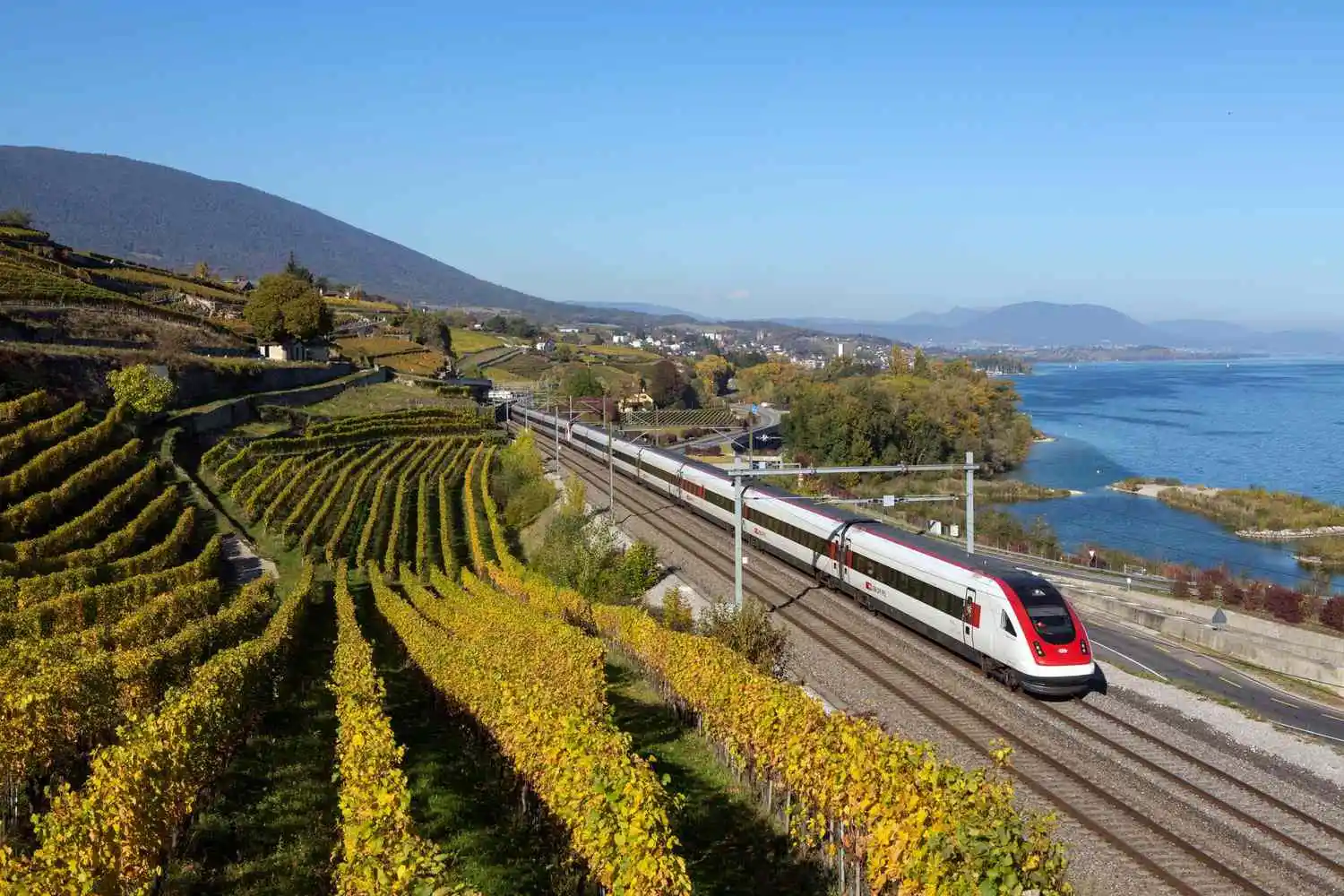
Finally, the art of the rail journey lies in treating the travel itself as part of the holiday. The stretch of the Rhine Valley between Mainz and Cologne, with its castles and vineyards, is best experienced from the right-hand side of a train heading north. The approach to the Alps from Milan to Zurich reveals a dramatic change in light and scale. Morning coffee in a dining car, watching the suburbs of a city give way to farmland, is a simple pleasure that air travel cannot replicate. Photographing the fleeting vignettes from a train window, keeping a brief journal of encounters, or simply sitting without a screen and letting the mind wander contributes to a state of mental decompression. With thoughtful planning and a willingness to embrace the serendipity of overland travel, a multi-city rail trip through Europe becomes not just a means of getting from one famous landmark to another but a continuous thread of experience, weaving places together into a single, memorable tapestry.