

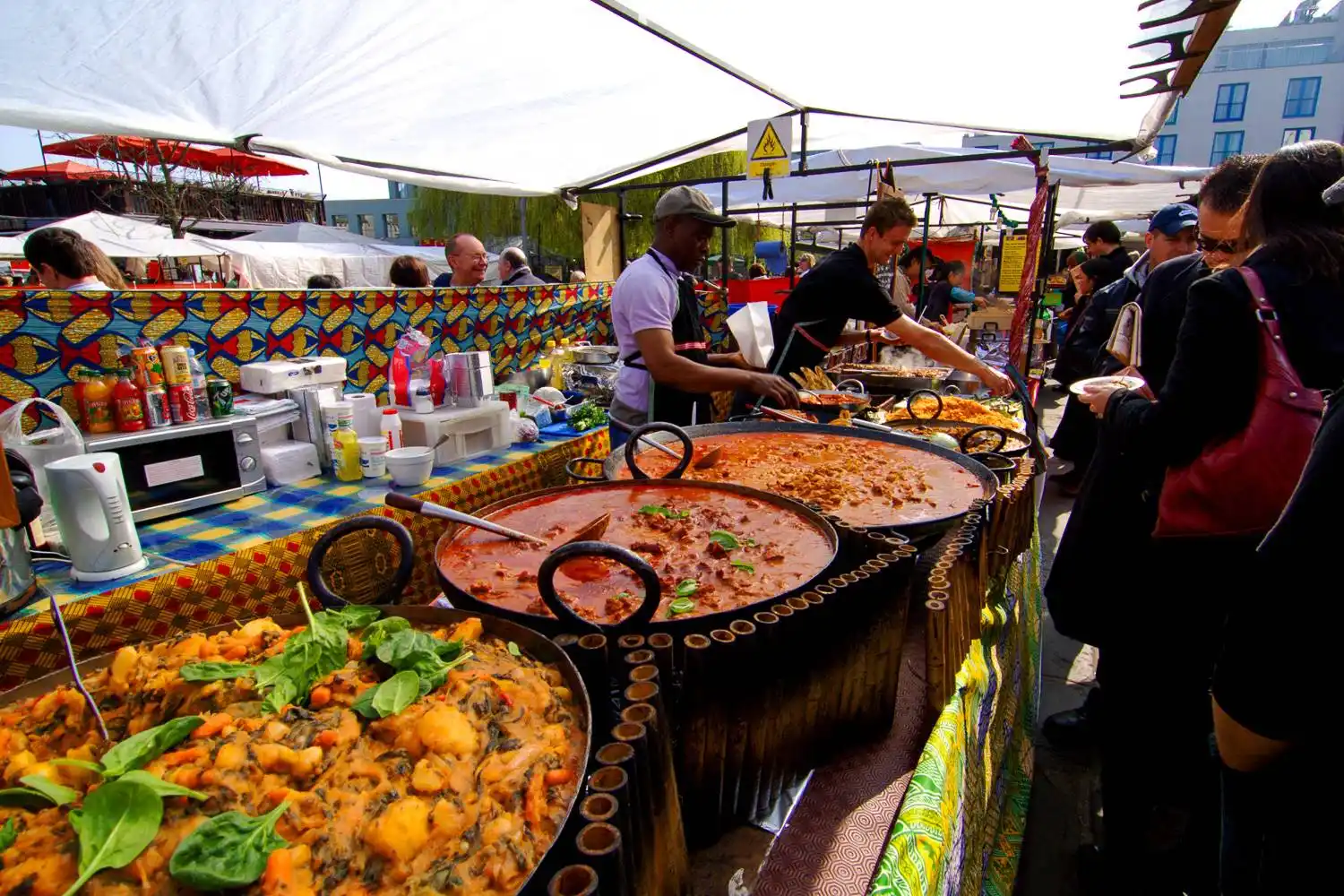
Restaurants, from street food vans to Michelin-starred establishments, are another pillar of culinary tourism, and the modern British dining scene has embraced locavorism with enthusiasm. Menus increasingly read like maps, listing the specific farms, fishing boats, and foragers who supplied the ingredients. Restaurants such as The Seahorse in Dartmouth, which cooks over a charcoal grill with a daily changing menu based on what local fishermen landed that morning, or Inver in Argyll, which uses wild and cultivated produce from the shores of Loch Fyne, offer a profound connection to their immediate environment. For the culinary tourist, dining becomes an act of place-based storytelling. Booking a table at a restaurant that champions local provenance, asking the staff about the ingredients, and pairing the meal with a regional wine from an English vineyard or a local craft beer deepens the appreciation of the area’s terroir.
Advertisement
Hands-on experiences extend culinary tourism from consumption to participation. Cookery schools, often located in beautiful rural or coastal settings, offer half-day or week-long courses that teach skills ranging from bread baking and fish filleting to fermenting and preserving. The School of Artisan Food on the Welbeck Estate in Nottinghamshire, the Ballymaloe Cookery School in County Cork, and the River Cottage Chefs’ School in Devon are just a few examples where enthusiasts can learn to work with seasonal ingredients and take home not just a meal but a lasting capability. Foraging walks, led by experts who teach participants to identify edible seaweeds, mushrooms, and wild greens, connect the visitor directly with the landscape and its wild larder. Such activities combine education with sensory pleasure and often lead to the most memorable moments of a journey, as the knowledge acquired persists long after the suntan has faded.
The growth of culinary tourism has implications for the sustainability and identity of destinations. When visitors flock to a region specifically for its food and drink, it creates economic value that incentivises the preservation of agricultural landscapes, traditional breeds, and artisanal skills that might otherwise be lost. It also encourages a form of tourism that is spread across the year, as food experiences are less seasonally constrained than beach holidays. However, the popularity of certain food destinations can also generate pressures, from over-tourism in previously quiet villages to the gentrification of local foodways, where authentic dishes become expensive simulacra of themselves. The most successful culinary tourism is a dialogue: visitors arrive with curiosity and humility, producers share their passion and knowledge, and both parties leave enriched, having connected through the universal language of food.